

AES offers the backbone of a number of safety ways that are inclined to go by names acquainted https://logotype.dev/articles/how-to-create-a-watermark-logo-that-adds-a-professional-touch-to-your-branding to the common public sector. Compression tools, such as WinZip, use AES, as do digital personal networks (VPNs). Even peer-to-peer messaging apps, corresponding to Fb Messenger, use AES to keep their information safe.
Substitution Ciphers

It additionally helps in verifying if the message got here from the right individual. Nonetheless, it’s slower than symmetric-key encryption and requires more computing power. If you might have a considerable amount of knowledge, then this type of encryption is more suitable. But a significant challenge is that both events must have the identical key.
These methods are used in areas like cloud safety, quantum computing, and digital communication. Makes Use Of the identical secret key for each encryption and decryption, making it quick and efficient for handling giant amounts of data. Post-quantum cryptography is a substitute for traditional cryptography as a result of it enables encryption algorithms that may fight cyber attacks from quantum computers.
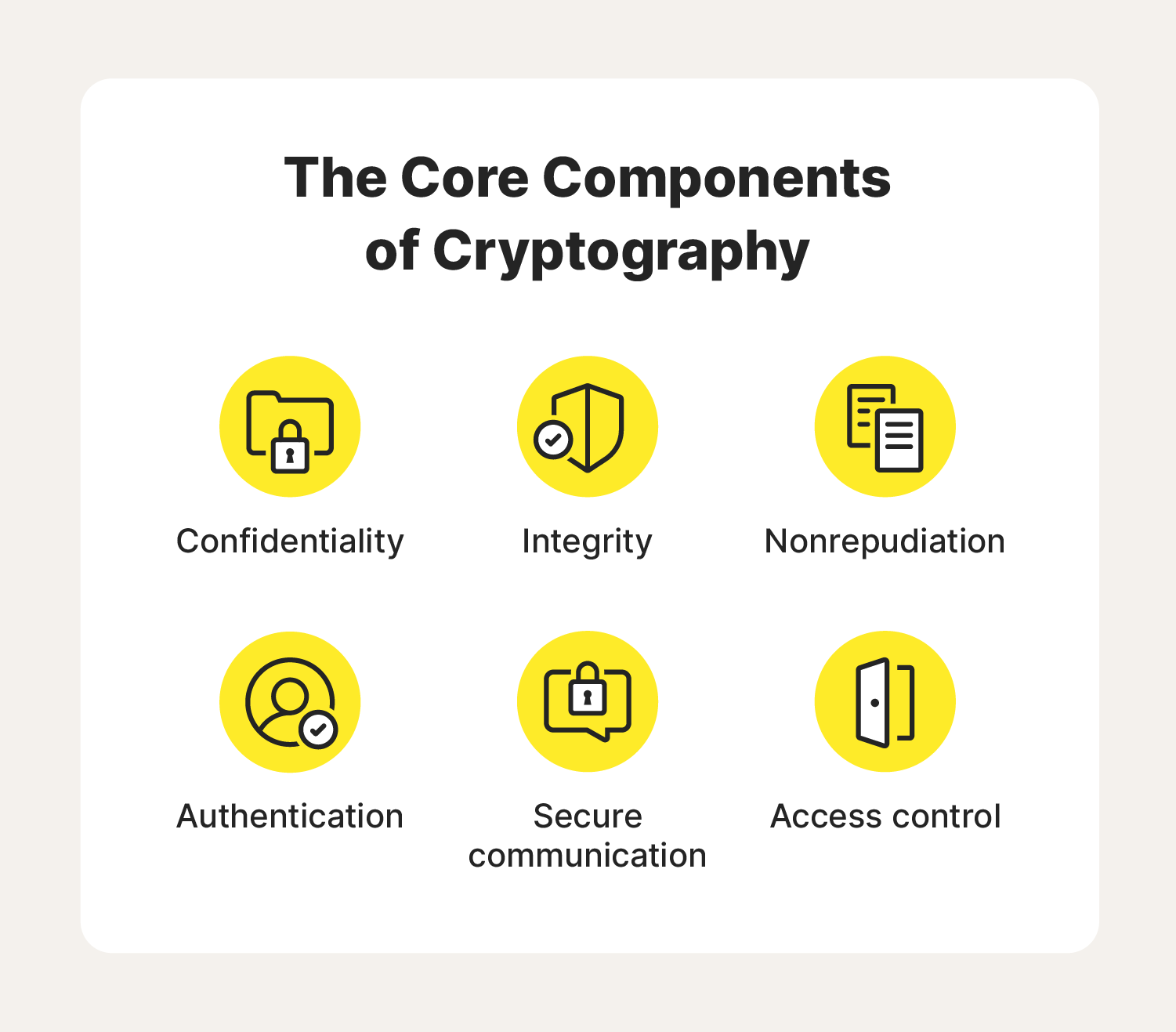
Cryptography works by taking plaintext (or cleartext) and scrambling it into ciphertext, so that https://logotype.dev/articles/how-to-create-a-professional-logo-intro-without-watermark-step-by-step-guide-and-free-tools the encoded output could be understood only by the supposed recipient. As ciphertext, the data ought to be unreadable to all besides the meant recipient. While cryptography is efficient, cybercriminals continuously evolve their techniques to seek out new ways to break into techniques with sensitive information. Cybersecurity professionals should use advanced encryption applied sciences to stay ahead of potential threats. Also often identified as Rijndael, the Superior Encryption Commonplace (AES) is an encryption method that makes use of block ciphers, or algorithms that apply data encryption in measured blocks that match the plain text entered. For occasion, if a chunk of textual content or information is one hundred forty four characters, the block cipher would even be a hundred and forty four characters.
- A common hash perform is folding, which takes a value and divides it into a number of parts, adds elements, and uses the final 4 remaining digits as the necessary thing or hashed value.
- For additional phrases and circumstances, please see norton.com/virus-protection-promise.
- Even if somebody hacks the server, encrypted files are useless with out the decryption key.
- This primitive cipher worked by transposing every letter of a message forward by three letters, which might turn the word “cat” into “fdw” (although Caesar would have probably used the Latin word “cattus”).
Asymmetric Cryptography
The exact method used to scramble plaintext into ciphertext defines how cryptography works. Symmetric encryption, uneven encryption, blockchain, and digital signatures are some outstanding encryption strategies. Hashing, one other cryptographic process, is not technically encryption, because it doesn’t use keys.
Cryptography Definition, Algorithm Types, And Assaults
Cryptocurrencies additionally rely on advanced cryptography to safeguard crypto wallets, confirm transactions and forestall fraud. In our trendy digital age, cryptography has turn into a vital cybersecurity tool for safeguarding sensitive data from hackers and different cybercriminals. It entails hiding data inside an strange, non-secret file or message to prevent detection.
Symmetric Key Cryptography (secret Key)
In the trendy business period, cryptographers use a number of tech-driven methods to protect knowledge used by the non-public and public sectors, from credit card data to medical data. Whereas these techniques differ in method, they collectively carry the same aim of preserving data safe. Ciphers are written codes that disguise key info to entities that aren’t authorized for access. DSA is a standard that permits digital signatures for use in message authentication. It was introduced by the National Institute of Standards and Know-how (NIST) in 1991 to ensure a greater technique for creating digital signatures.
